
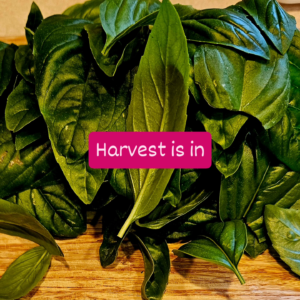
There’s something deeply empowering about stepping outside, brushing your fingers across a pot of basil or rosemary, and knowing you’re growing your own medicine. Herbs have been used for centuries to support digestion, immunity, mood, and overall vitality—and the best part is, they’re incredibly easy to grow, even in small spaces.
Whether you’re tending a sunny windowsill or cultivating raised beds in your backyard, an herb garden is a beautiful way to bring wellness home.
Why grow them yourself?


Why I decided to grow herbs was when my neighbor invited me over to see her herb garden and gave me some wonderful herbs to take home. That evening a made a flat bread pizza with the fresh oregano. Magnifique! Then the mint in my lemonade was amazing. Not to mention the smells that were released. I had to start doing it for myself.
Not to mention, herbs are nutrient-dense, antioxidant-rich, and naturally therapeutic. When you grow them yourself, you get maximum potency (fresh herbs contain higher levels of essential oils and phytonutrients). Daily access to healing or health ingredients. A sensory ritual that can reduce stress and boost your joy.
How to Start a Thriving Herb Garden
These tips work for containers, raised beds, or in-ground gardens. My favorite way to grow them are in-ground gardens. Yes, I have tried them in pot containers, not the same as in the ground. They take so much more care in my opinion. Anyway, to start chose the right location. Most herbs love 6–8 hours of sunlight. A south-facing window, patio, or garden bed is ideal. (I tried mine in a North window with a plant light. It worked but like a said a lot more work and care).
Use Well-Draining Soil. (If you have a compost area that works great for your herb garden ). Herbs hate soggy roots. I am sure they do but they are in moist soil in my backyard. My yard does have quite a slope so perhaps that helps. And that they are by a very hot fence. Anyway, they are doing well and the onion are out of control.
Water Wisely
Mediterranean herbs (rosemary, thyme, oregano) prefer drier soil. However, my oregano is doing great in the moist soil as mentioned above. The basil didn’t make it through the winter. I guess, it is trial and error.
Leafy herbs (basil, mint, parsley) like consistent moisture. I think I will try to plant mint this year and maybe parsley.
Harvest Often
Regular trimming encourages fuller, healthier plants. Rule of Thumb: Never remove more than 1/3 of the plant at once.
Grow What You’ll Actually Use
Start with 3–6 herbs you cook with or want for wellness routines. I started with just 3 and I did have a full harvest of these three for even just the first year.
Healing Herbs to Grow + Their Food-as-Medicine Benefits
Basil — The Anti-Inflammatory Mood Lifter
Growing Tips: Loves warmth and full sun, Pinch off flower buds to keep leaves tender and Water regularly
Health Benefits: Rich in antioxidants, Supports digestion, Contains compounds that may reduce inflammation and Aromatic oils can help ease stress
Use It In: salads, pesto, soups, infused water, herbal teas
Mint — The Cooling Digestive Hero
Growing Tips: Thrives in partial sun, Keep in containers (it spreads aggressively), Likes moist soil
Health Benefits:Soothes digestion, Helps with nausea, Naturally cooling and refreshing and May support mental clarity
Use It In: teas, fruit salads, infused water, smoothies
Rosemary — The Memory & Circulation Booster
Growing Tips: Loves full sun, Prefers dry soil
Health Benefits: Supports memory and focus, improves circulation, Contains antimicrobial properties, May help reduce inflammation
Use It In: roasted vegetables, breads, marinades, hair rinses
Thyme — The Immune System Guardian
Growing Tips: Needs full sun, Drought-tolerant, Trim lightly to keep it compact
Health Benefits: High in vitamin C, Antimicrobial and antiviral properties, Supports respiratory health
Use It In: soups, stews, roasted meats, herbal steam inhalations
Parsley — The Detoxifying Powerhouse
Growing Tips: Prefers partial sun, Keep soil evenly moist, Slow to germinate—be patient
Health Benefits: Rich in vitamins A, C, and K, Supports kidney function, Helps reduce bloating, Freshens breath naturally
Use It In: salads, sauces, smoothies, garnishes
Oregano — The Antioxidant-Rich Immune Ally
Growing Tips: Full sun, Dry soil and Harvest often to encourage new growth
Health Benefits: One of the highest antioxidant herbs, Antibacterial and antiviral and Supports gut health
Use It In: pasta dishes, sauces, roasted vegetables, herbal oils
Bringing It All Together: Your Daily Food-as-Medicine Ritual
Imagine stepping outside in the morning, the air still cool, and brushing your hand across rosemary as the scent rises—sharp, piney, invigorating. You snip a few sprigs, gather basil or oregano for lunch, and pluck mint for your afternoon lemonade or Zevia Zero Sugar Soda.
Okay, even your evening not as health beverage.
A small herb garden can transform your meals, your mood, and your health—one leaf at a time.
Are you going to start an herb garden or do you already have an amazing herb garden? I would love to see it tag Twilight Kaleidoscope on insta or email at twilightkaleidoscope1217@gmail.com.


Leave a Reply